

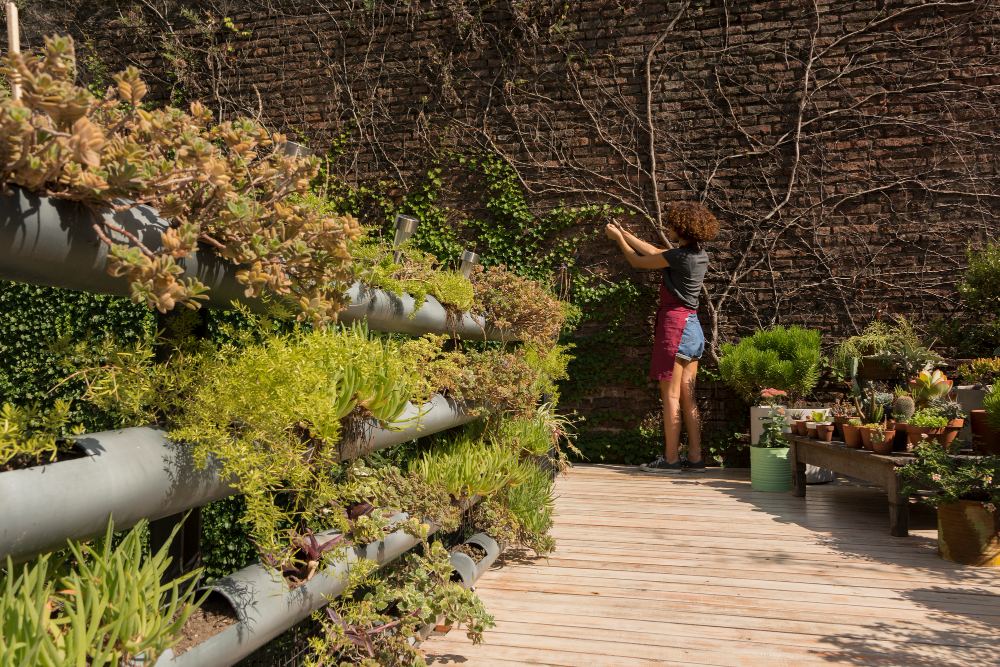
In today’s fast-paced urban environments, where time feels continually compressed and the skyline of steel and glass often replaces the horizon of trees and open skies, there is a growing desire to rediscover something that feels deeply human—our inherent connection to the natural world. Urban gardening has emerged as one of the most transformative and accessible ways to reclaim this bond, offering city dwellers an opportunity not only to cultivate plants but to cultivate mindfulness, sustainability, and a sense of place within the metropolis. Whether it takes the form of a small balcony garden, a rooftop greenhouse, or a shared community plot, urban gardening reshapes our understanding of what “nature” can mean in the context of our modern cities. It reminds us that the rhythm of growth, decay, renewal, and nourishment is always within reach, even amid the hum of traffic and the glow of streetlights. Through the act of tending soil, nurturing seeds, and witnessing life take root in unconventional spaces, people rediscover their capacity to slow down, to observe, to care—and to remember that they are not separate from the environment but participants in an intricate, living system that continues to thrive even in the most unexpected places. This reconnection is not only emotional or symbolic; it transforms how we see our communities, how we manage resources, and how we find balance between technology and ecology. What was once considered an indulgence or a hobby now becomes an act of resilience and stewardship, a movement toward self-sufficiency, circular living, and environmental awareness. As more individuals turn their eyes toward gardening in the city—whether planting herbs on windowsills or designing entire terraces into miniature ecosystems—they are quietly reshaping the collective consciousness of urban life, transforming hardscapes into living spaces that feed both body and spirit, bridging generations, and reweaving the essential thread between humanity and the Earth that sustains it.
Urban gardening is much more than an aesthetic practice or a fleeting wellness trend—it represents a fundamental shift in the relationship between modern humans and the natural world, one that challenges the conventional boundaries between constructed environments and organic ecosystems. For centuries, the urban experience has been defined by separation: concrete over soil, artificial light instead of sunlight, and noise that drowns out the quiet murmur of life that flourishes outside city limits. Yet as the realities of environmental degradation, climate instability, and urban isolation become increasingly tangible, people are beginning to rediscover the necessity of nature not just as a backdrop for relaxation but as an essential component of health, community, and identity. By planting and tending small green oases within the urban fabric, individuals begin to reestablish reciprocal relationships with the living world—learning again the language of growth, patience, and symbiosis. These gardens, whether sprouting atop apartment buildings or nestled between busy streets, embody a kind of resistance against detachment and disconnection. They allow people to take agency in shaping their environments, to understand the cycles that sustain their food and ecosystems, and to foster collective resilience in the face of urban challenges. More importantly, they create spaces where imagination and ecology meet, inviting neighbors to gather, exchange seeds, stories, and sustenance, and to see each other not merely as city residents but as cohabitants of a shared, breathing planet. In nurturing these small patches of green, urban gardeners rewrite the story of city living into one that values interdependence over isolation and thriving over surviving. Each leaf, bloom, and fruit becomes a symbol of renewal—a tangible affirmation that even within the densest city grid, nature’s patience endures and that our capacity to reconnect remains as fertile as the soil we return our hands to.